Domestic & International Congresses
A congress is the day a society's entire year gathers in one place. Bidding and planning, registration and abstracts, exhibition and the floor, and settlement at the end. PLANBEAR designs that whole span as a single drawing. The drawing does not change when the languages become two and the participants become thousands. That is the foundation.
FIELD NOTES
International Congress
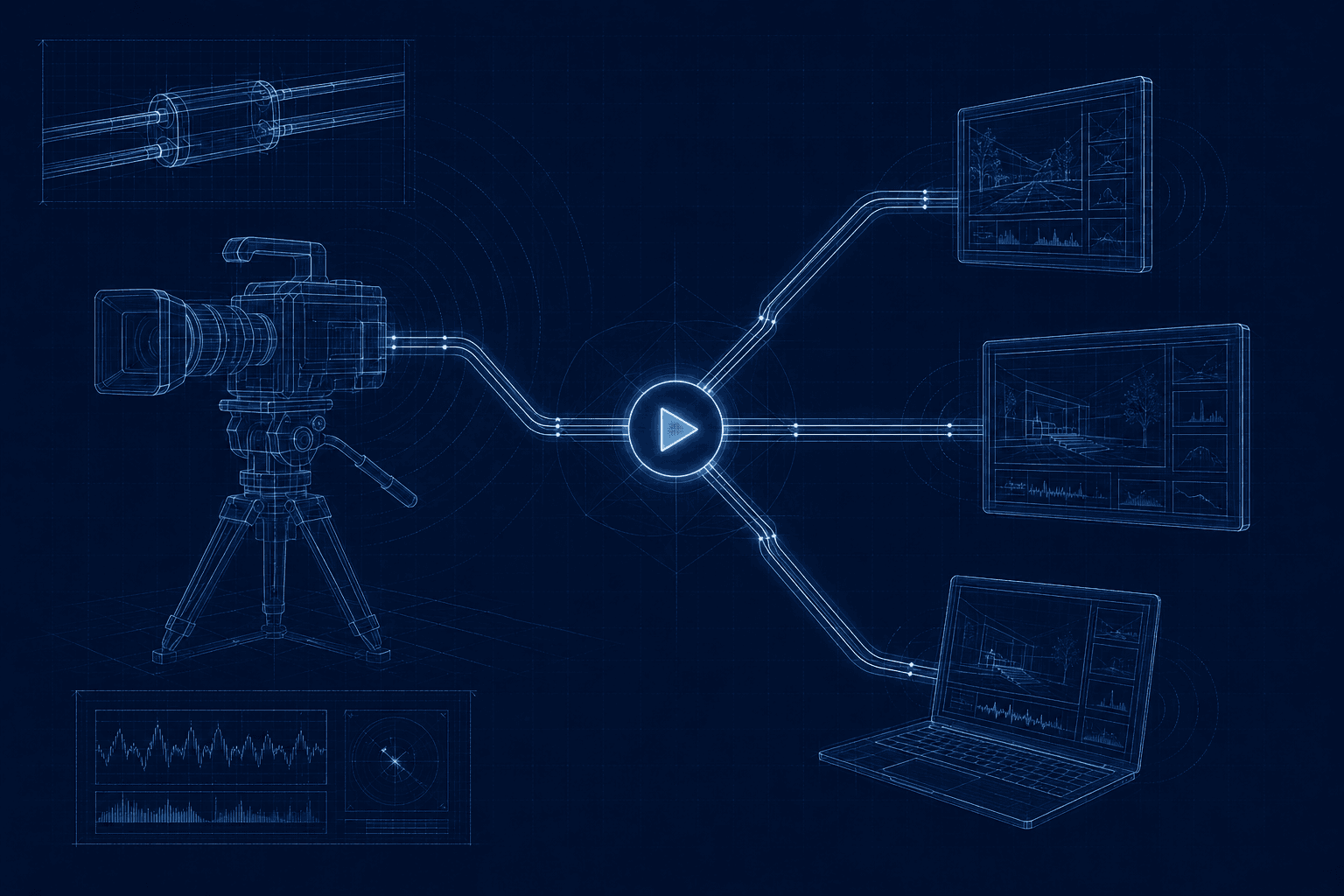
An international congress can be contracted by scope of work, from the bid stage through post-event grant settlement and outcome reporting. Coordinators and liaisons are staffed to the scale of the meeting for the best performance, backed by an effective website, seamless system handling, and first-rate design.
From the bid stage to the final report, you can also contract only the stretch you need.
Annual Congress
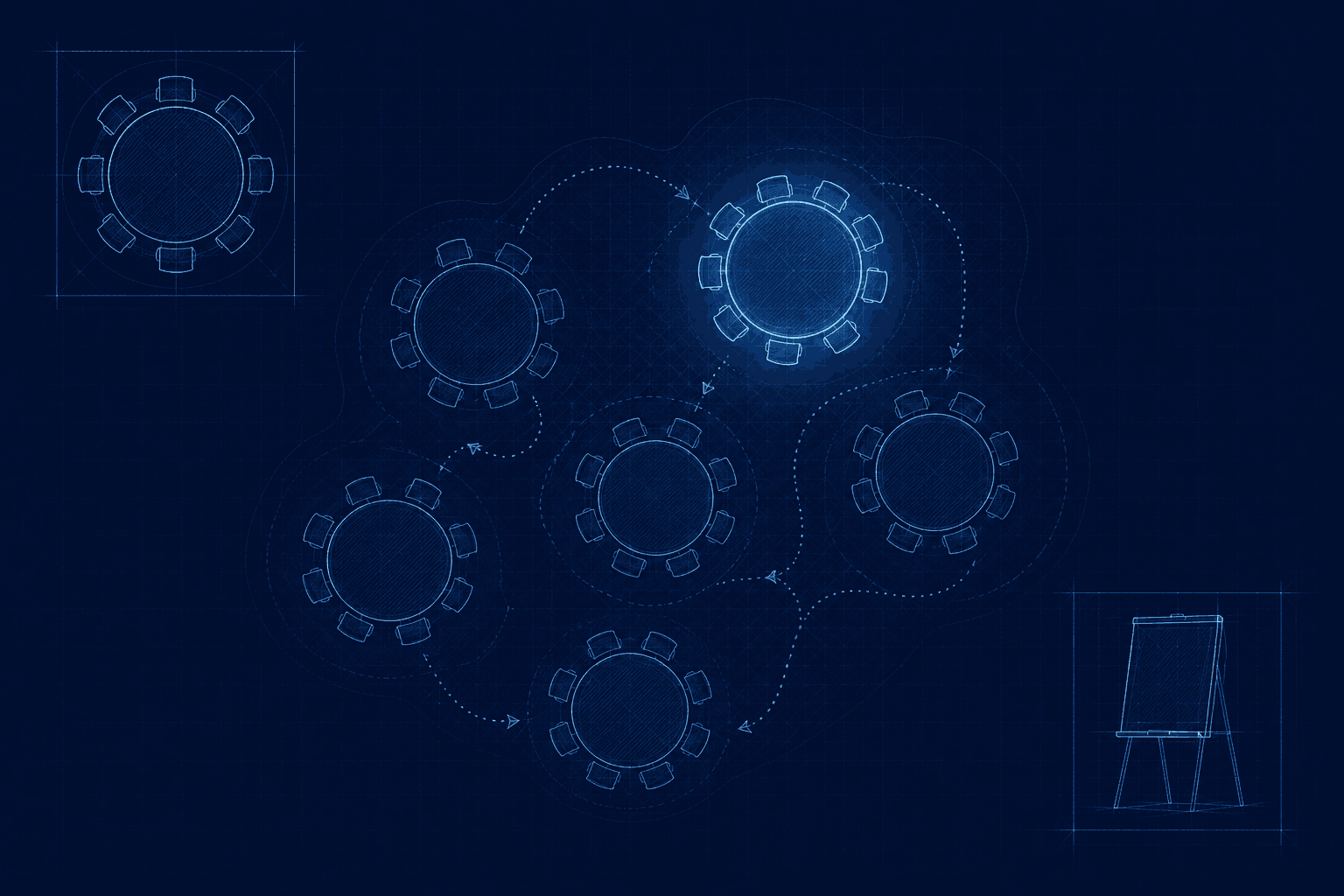
Many societies and organizations hold periodic congresses every year. Centered on invited keynotes, session presentations, and posters, they are often split into spring and autumn meetings, rotating between Seoul and regional cities as occasions of scholarly exchange between the society headquarters and regional committees. As the largest regular event of an organization, a congress usually takes three to four months of preparation and is sometimes combined with CME courses. PLANBEAR plans and manages the core workload: website operation, promotion, registration, online abstract submission, exhibition planning, venue build-up, logistics, and staffing.
Because the event returns every year, we leave this year's record so that it becomes next year's starting line.
Symposium
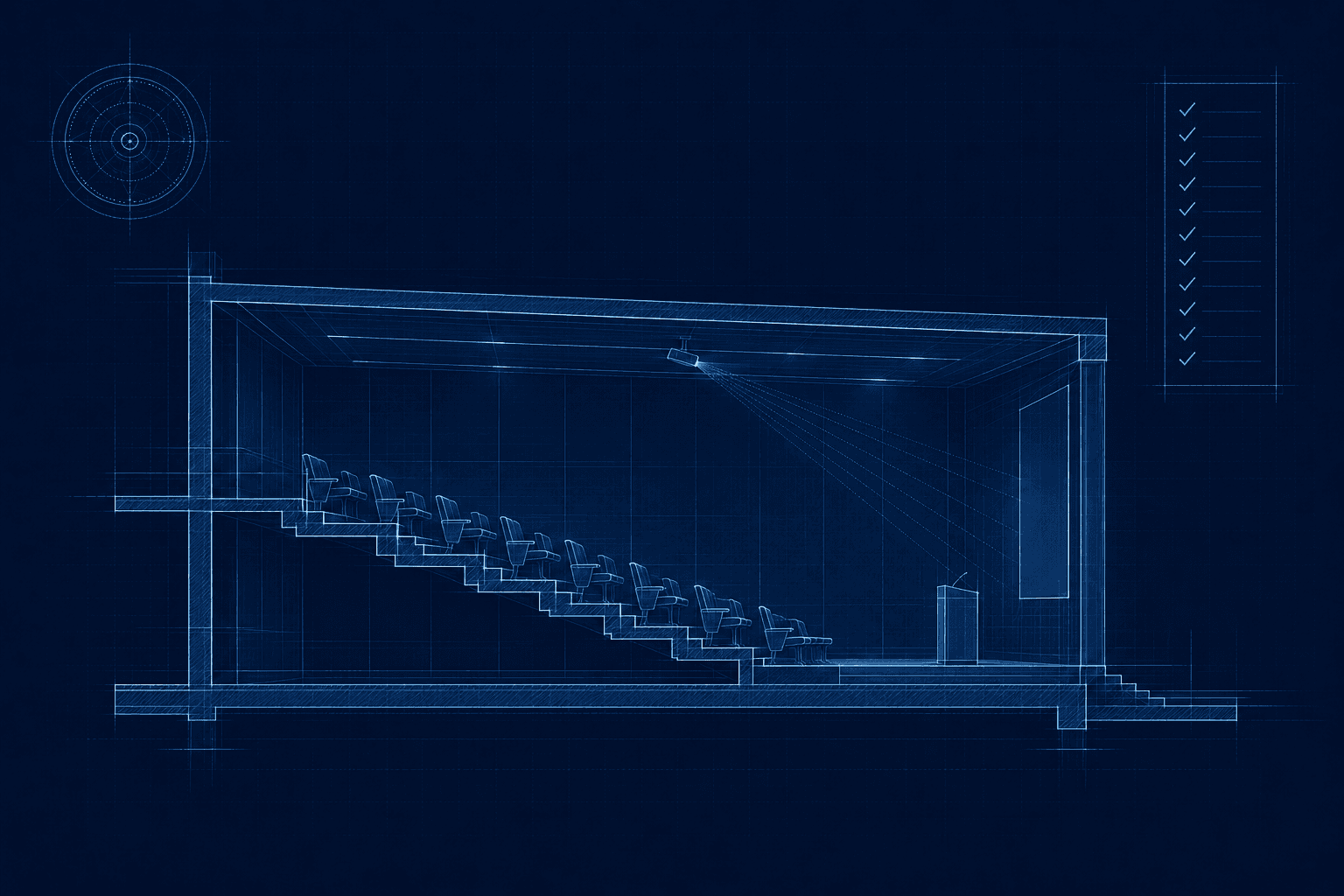
A symposium addresses a single subject, with two or more experts presenting from different angles and answering questions from the audience. It is also described as a group discussion, an academic forum, or a research presentation. Usually run in a podium format, it consists of a moderator, speakers, panelists, and the audience. International congresses increasingly build their programs around symposia of this format.
Since the format is discussion, operations hold the timing on stage and the delivery of questions from behind.